Education Embroidery Design Review: A Joyful Touch for Craft Fair Goods
First Impressions: Cute, Funny, and Full of Charm
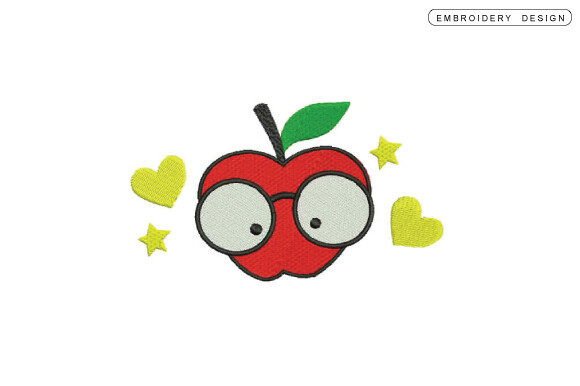
When I first opened the Education Embroidery Design file, I was immediately drawn to the playful Funny Apple Character with Eyeglasses. It's a lighthearted design that leans into a cute, whimsical aesthetic—perfect for educators, students, or anyone with a sense of humor about learning. The character’s oversized glasses and cheeky apple grin make it feel like a modern, fun twist on traditional school-themed motifs. It’s not overly rustic or farmhouse, nor is it minimalist or elegant. Instead, it lands in that sweet spot of joyful, approachable charm that’s highly marketable at craft fairs and handmade markets.
How It Performs on Craft Fair Products
Let’s talk real-world application. I tested this design on several product types commonly sold at craft fairs:
- Tote bags: This design stands out beautifully on tote bags, especially in a medium size (4–5 inches). It reads clearly from a distance and invites curiosity. A tote with this embroidered on the front would make a great teacher gift or back-to-school item.
- Aprons: Whether on a chef apron or a kid’s art smock, the design adds personality without overpowering the garment. It’s especially effective when placed on the chest or upper pocket.
- Tea towels: Stitched onto a linen or cotton tea towel, it brings a touch of humor and warmth to the kitchen. Just make sure the background fabric isn’t too busy or textured—this design needs a clean canvas.
- Caps: Here’s where caution comes in. The design has some fine details (especially the glasses), which can blur or distort on the curved surface of a cap. Test on scrap first and consider resizing or simplifying if needed.
- Patches: Works great as a sew-on or iron-on patch. It's a solid option for adding flair to backpacks, jackets, or denim.
- Fabric pouches & pillow covers: These are ideal surfaces for the design. Flat, smooth fabric allows the details to shine, and the cheerful apple character adds handmade appeal to everyday items.
Visibility and Marketability: What Catches the Eye?
One of the biggest selling points of the Education Embroidery Design is how quickly it communicates its theme. At a glance, customers can tell it’s school-related and fun. That’s a big win for craft fair sellers who need products that grab attention in a crowded booth.
It works well as both a small accent and a larger focal point, depending on the product. For example, a smaller version on a keychain makes a subtle but charming gift, while a larger version on a tote or apron becomes the star of the show.
For Etsy sellers and digital crafters, this design photographs beautifully. The contrast between the apple and the glasses, assuming thread colors are chosen carefully, creates visual pop that translates well in product photos and printable mockups.
Production Practicality: Is It Easy to Batch?
From a production standpoint, the Education Embroidery Design feels repeatable. It’s not overly complex, which makes it a good candidate for batch embroidery. That’s a major plus for small shop product lines and commercial embroidery.
However, there are a few things to watch for:
- Dense stitch areas: Check for high stitch density around the glasses and facial features. Too much density can cause puckering, especially on lighter fabrics.
- Thread contrast: Make sure the thread colors provide enough contrast against the fabric. A red apple on a dark background may not read well without a white underlay or outline.
- Small lettering: If the design includes any text, test how it stitches at smaller sizes. Tiny text can blur or lose clarity.
- Fabric texture: Avoid using on heavily textured towels or thick denim without testing first. Smooth cotton or linen blends are your best bet.
Design Versatility: Where It Shines and Where It Struggles
The Education Embroidery Design is versatile, but it does have limitations. It shines brightest on flat, smooth surfaces like tote bags, pillow covers, and tea towels. It’s less ideal for curved or textured surfaces like caps or woven market bags unless you take extra precautions.
As a digital embroidery file, it’s a smart addition to your design assets. If you're creating printable mockups or Etsy listings, this design helps establish a playful, educational theme that can be expanded with matching items.
Booth Impact: How It Boosts Your Display
In a real-world craft fair setup, this design adds a sense of personality and handmade quality to your booth. When placed on items like aprons or tote bags, it can act as a conversation starter. It also pairs well with other educational or back-to-school themed items, helping you build cohesive product groupings.
For boutique makers and creative entrepreneurs, the charm of this design can elevate the perceived value of your handmade products. It’s the kind of detail that makes buyers feel like they’re getting something unique and thoughtful.
Designer Notes: What to Check Before Production
Before stitching up a batch, here are a few must-do checks:
- Test on scrap fabric: Always run a test stitch-out before committing to your final product.
- Review spacing and density: Look for tight clusters of stitches that might cause fabric distortion.
- Confirm hoop size: Know the hoop size required for the design to avoid surprises during setup.
- Use the right stabilizer: A medium-weight tear-away or cut-away stabilizer works best for most applications.
- Create a real mockup: Don’t rely solely on digital previews. Make a physical sample to see how it looks in person.
- Compare fabric colors: Test the design on light, medium, and dark backgrounds to see how it translates.
- Check licensing: Since this is a freebie, make sure it’s approved for commercial embroidery before selling finished products.
Final Thoughts: A Smart Addition to Your Craft Fair Lineup
The Education Embroidery Design is a solid choice for craft fair sellers, Etsy shop owners, and creative entrepreneurs looking to add a touch of humor and charm to their handmade products. It’s versatile, recognizable, and easy to produce in batches—provided you take the time to test and adjust for your materials.
Whether you're stitching it onto tote bags, aprons, or patches, this design has the potential to become a staple in your seasonal or educational product line. Just remember to review the file carefully, test on scrap, and choose your thread and fabric wisely to ensure the best results.