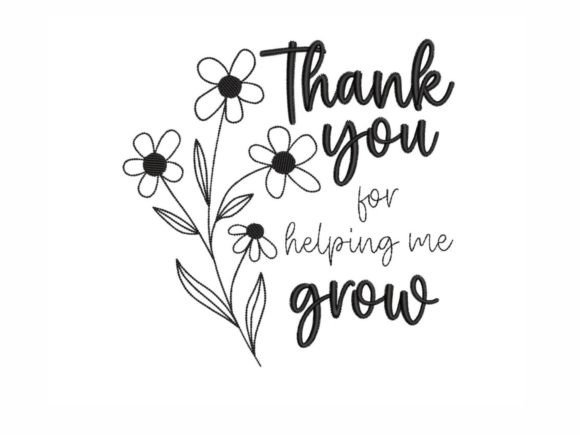
Grow Embroidery Design: A Maker’s Market Review
As I prepare my inventory for the upcoming weekend craft fair, my table display needs to tell a cohesive story while offering variety. When evaluating the Grow machine embroidery design for this season's lineup, I am looking at more than just a pretty floral arrangement; I am assessing its commercial viability as a craft fair product. The description promises a beautiful message—"Thank you for helping me grow"—paired with florals, which immediately signals versatility. For an Etsy seller or boutique maker, this specific combination of sentiment and botanical art sits in a lucrative sweet spot between teacher appreciation, gardening enthusiasm, and general gratitude. Before hooping a single piece of fabric, however, we must analyze how this design translates from a digital file to a profitable handmade product.
First Impressions and Booth Appeal
Upon reviewing the Grow assets, the aesthetic leans toward soft elegance with a touch of rustic charm. It does not feel overly juvenile despite the "School" category tag; rather, it possesses a mature, organic quality that appeals to adult buyers seeking meaningful gifts. In a crowded market booth, visual hierarchy is everything. This design has the potential to serve as a strong focal point because the floral elements likely provide enough visual weight to be seen from three feet away, while the text invites the customer to step closer to read the sentiment.
For a small shop product line, this balance is critical. Designs that are too bold can look cheap, while those that are too intricate get lost on a busy table. Grow appears to strike a middle ground, making it suitable for both premium gift items and accessible everyday goods. The phrase "Thank you for helping me grow" makes it an instant bestseller for end-of-year teacher gifts, mentor appreciation, or even new parent keepsakes, broadening its demographic reach beyond typical school-themed embroidery.
Product Application and Merchandising Strategy
When planning batch production for a market, I evaluate where a design performs best physically and financially. Based on the multi-format nature of this embroidery file, here is how I would prioritize applications for maximum sales velocity:
- Tote Bag Design: This is the primary revenue driver. Canvas totes offer a flat, stable surface ideal for florals. The "Grow" theme aligns perfectly with farmers' market shoppers or library-goers. Ensure the design is centered slightly above the true center to account for bag sag when filled.
- Tea Towel Embroidery: Flour sack towels are excellent for this sentiment. The lightweight fabric allows the stitches to shine without puckering, provided the correct stabilizer is used. These make high-margin add-on items at checkout.
- Apron Embroidery: Positioning Grow on the bib or lower pocket of a linen apron creates a premium commercial embroidery item. This targets gardeners and home cooks specifically.
- Pillow Covers: For higher price points, embroider this design on natural linen pillow shams. The floral aspect translates beautifully to home decor, moving the product out of the "school" niche and into interior styling.
- Embroidered Patch: If the design scales down well, creating patches allows for low-cost inventory that utilizes scrap fabric. These are perfect for impulse buys.
While t-shirts and dresses are mentioned in the product description, I advise caution for craft fairs unless you have verified sizing. Apparel requires significant inventory investment. Totes, towels, and pillows are safer bets for testing a new digital embroidery file at a live event because they eliminate size-guessing risks.
Production Practicalities and Technical Notes
A beautiful screen preview does not guarantee a smooth production run. As experienced makers know, the difference between a hobbyist and a professional lies in technical execution. When preparing Grow for sale, consider these practical factors regarding stitch density and material interaction.
Fabric Texture and Stabilization
Floral designs often contain varying stitch types, from satin stitch outlines to fill stitches in petals. On textured fabrics like tea towels or canvas totes, detail can be lost. You must use an appropriate stabilizer. For towels, a water-soluble topping is non-negotiable to prevent stitches from sinking into the weave. For tote bags, a medium-weight cutaway provides the necessary support to prevent distortion during the hoop change or final trimming. Always test on scrap fabric first; if the floral details disappear or the lettering becomes illegible, adjust your tension or add backing before committing to finished goods.
Scaling and Legibility
The description notes the design comes in multiple sizes, but not all sizes are created equal. Text-based embroidery files often suffer when resized downward. Before producing small items like pouches or caps, verify that the smallest version of Grow maintains clarity. Tiny lettering can turn into a thread nest if the hoop size is too large for the design area or if the font thickness is insufficient. If you plan to sell caps, remember that curved surfaces distort straight text lines; you may need a cap-specific version of the file or specialized framing to keep "Thank you for helping me grow" readable.
Thread Colors and Contrast
Visual appeal drives engagement. While the file includes color charts, real-world application requires adaptation. Dark florals on dark fabric will vanish in dimly lit convention centers. For market success, prioritize high-contrast thread colors. Variegated threads can add depth to the floral elements, making the finished product look more dynamic and handmade rather than mass-produced. However, avoid using variegated thread for the text portion, as color changes mid-letter can reduce readability.
Marketing Assets and Commercial Viability
Selling at a craft fair is only half the battle; online visibility sustains the business between events. Grow offers excellent opportunities for content creation. Because the sentiment is evergreen, you can create seasonal variations in your photography. Photograph the embroidered tote next to fresh flowers for spring, or beside school supplies for late summer.
For Etsy sellers, utilize printable mockups to list the digital file itself if your license permits, or to showcase custom order options without stitching every variation. High-quality photos of the actual stitched sample are superior to digital renders for building trust. Show close-ups of the stitch texture to demonstrate quality. When writing listings, emphasize the emotional connection of the phrase. Keywords like "teacher gift," "gardener present," and "botanical embroidery" should be paired with technical terms like "machine embroidery design" to capture both gift shoppers and fellow crafters.
Designer’s Checklist for Success
Before listing Grow as a featured item in your shop or booth, complete this verification process:
- License Check: Confirm the specific terms for commercial embroidery. Does the purchase allow for unlimited physical sales? Can you sell the digitized file? Never assume; always verify the designer's stated usage rights.
- Test Stitch-Out: Run the design on the exact fabric you intend to sell. Inspect registration marks and text alignment.
- Hoop Selection: Use the smallest hoop possible for the chosen size to maintain fabric tension and reduce flagging.
- Color Audit: Compare thread colors against your base fabric under natural light. Adjust for contrast if necessary.
- Mockup Creation: Produce at least one physical sample for photography. Digital-only listings convert at lower rates for embroidery.
- Pricing Calculation: Factor in stabilizer, thread wear, and hooping time. Intricate florals take longer than simple text; ensure your pricing reflects the production reality.
Grow represents a strong addition to any handmade business portfolio due to its emotional resonance and decorative flexibility. By treating it with professional scrutiny—testing densities, respecting fabric limitations, and marketing the sentiment effectively—you transform a simple embroidery file into a signature product that connects with customers and supports sustainable creative entrepreneurship. Whether stitched onto a humble tea towel or a premium linen tote, this design carries a message that sells itself, provided the craftsmanship behind it is sound.