Tinker Toy Font: A Designer’s Review for Gifts
As an embroidery designer running a busy personalized gift shop, I am constantly evaluating new typefaces to ensure they meet the high standards my customers expect. When I first loaded the Tinker Toy Font into my software, I was looking for more than just legibility; I was searching for that elusive blend of nostalgia and modern charm that turns a simple monogram into a cherished keepsake. After testing this machine embroidery design across various projects, from nursery decor to kitchen linens, I have compiled my honest thoughts on how this font performs in a real-world commercial setting.
First Impressions: Nostalgia Meets Modern Stitch Quality
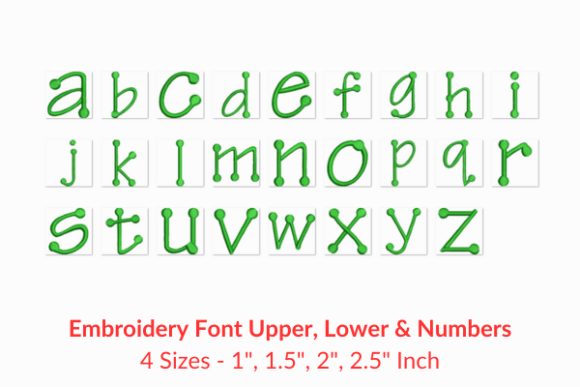
The immediate mood of Tinker Toy Font is undeniably playful yet structured. It evokes the classic aesthetic of vintage educational toys and schoolhouse lettering, making it an instant favorite for the School category. However, unlike some novelty fonts that sacrifice stitch integrity for style, this design maintains a professional quality. The lines are clean, and the character spacing feels intentional rather than cluttered. For an Etsy seller or small business owner, this balance is crucial. You want a font that screams "handmade" without looking amateurish. The emotional appeal here is strong; it triggers memories of childhood learning and innocence, which is exactly what buyers seek when ordering baby embroidery or family heirlooms.
Ideal Applications for Personalized Gift Products
In my studio testing, Tinker Toy Font proved exceptionally versatile for specific product lines. Its sturdy construction makes it a top contender for items that need to convey warmth and durability.
- Nursery and Baby Items: This is where the font truly shines. I tested it on a minky blanket and a cotton crib sheet. The rounded edges of the letters feel safe and soft visually, perfect for a newborn’s name. It avoids the sharp serifs that can sometimes look too formal or harsh for infant gear.
- Kitchen and Home Textiles: For an embroidered towel or apron, the font’s weight holds up beautifully against terry cloth and canvas. It reads clearly from a distance, making it ideal for family reunion gifts or holiday hostess presents.
- Wedding and Keepsakes: While often associated with children, I found that using Tinker Toy Font in a single, elegant thread color on a linen pillow cover created a charming, rustic wedding gift. It works particularly well for couples who love vintage aesthetics or are celebrating a union with a blended family involving young children.
- Craft Fair Inventory: If you are stocking tote bags or bibs for a market, this font catches the eye quickly. Its distinct silhouette helps your small shop product stand out in a sea of generic block lettering.
Navigating Fabric Challenges and Technical Limits
No digital embroidery file is immune to the laws of physics, and Tinker Toy Font requires mindful application. During my stress tests, I identified several scenarios where caution is necessary to protect your reputation and reduce waste.
Texture and Stability Concerns
While the font is robust, intricate details can get lost on highly textured fabrics like chenille or thick fleece. If you are planning blanket embroidery on high-pile material, you must use a water-soluble topping to prevent the stitches from sinking. Without it, the charming details of the Tinker Toy style will disappear into the nap of the fabric. Similarly, stretchy baby clothes require careful stabilization. I recommend a cut-away stabilizer rather than tear-away to prevent the letters from distorting after the garment is washed and worn repeatedly.
Sizing and Legibility
Resist the urge to shrink this font below its recommended minimum size. Because of its stylized nature, reducing it too much for a cuff or tag can cause the internal spaces to close up, resulting in thread nests or illegible text. Always check the specific dimensions in your embroidery file before committing to a production run. Conversely, when scaling up for large wall hangings or banners, verify that the stitch density remains adequate. Some digitized fonts become sparse when enlarged, but in my testing, Tinker Toy maintained good coverage, provided you adjust your machine tension appropriately for the larger span.
Elevating Perceived Value and Customer Trust
For those selling custom embroidery, the choice of font directly impacts perceived value. Tinker Toy Font signals intentionality. When a customer sees a listing featuring this typeface, they understand that the maker has selected a design specifically for its emotional resonance, not just grabbed the default alphabet from their machine. This increases buyer engagement and justifies premium pricing for handmade products.
Photography plays a massive role here. Because the font has such distinct character, it photographs exceptionally well. In my mockups, the contrast between the playful letterforms and neutral fabrics created images that stopped the scroll on social media. For Etsy sellers, using this font in your primary listing photos can communicate a cohesive brand identity that attracts parents, grandparents, and gift-givers looking for something special.
Essential Pre-Production Checklist for Makers
Before you list a product featuring Tinker Toy Font or start stitching a customer order, run through this practical checklist to ensure professional results. Skipping these steps is the difference between a five-star review and a refund request.
- Verify Licensing: Always confirm the commercial embroidery license terms included with your purchase. Ensure you are permitted to sell finished goods embroidered with this font, as terms vary by designer.
- Test on Scrap Fabric: Never stitch directly onto a final product without a test run. Use a scrap of the exact same material and stabilizer combination to check for registration issues or puckering.
- Check Thread Contrast: The charm of this font relies on visibility. Test thread colors against both light and dark backgrounds. A pastel thread on white fabric might look beautiful digitally but vanish in person.
- Confirm Hoop Size: Measure the total area of the personalized text, including spacing. Ensure it fits comfortably within your hoop size with room for proper tensioning. Crowding the hoop leads to alignment errors.
- Create Printable Mockups: Before purchasing bulk supplies, create a printable mockup to scale. Tape it to the actual product to visualize placement. This is especially vital for curved surfaces like caps or stuffed animals.
- Review Washability: If the item is a personalized gift intended for daily use (like a bib or towel), wash and dry your test swatch. Ensure the stitch density holds up and the fabric doesn't pucker around the letters post-laundry.
Final Thoughts for the Professional Embroiderer
Tinker Toy Font is a delightful addition to any digitizer’s library, bridging the gap between whimsical and professional. It offers a unique voice for baby embroidery, school spirit wear, and sentimental home goods. By respecting its technical requirements and leveraging its nostalgic charm, you can create products that resonate deeply with clients. Remember, in the world of custom embroidery, the right font does more than spell a name; it tells a story. With careful planning and quality execution, this design can help your business tell stories that customers are proud to own and share.