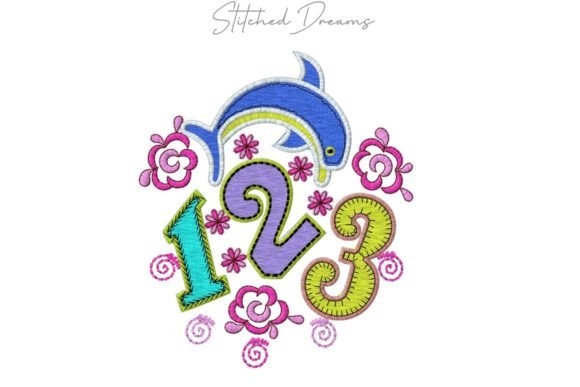
Underwater Embroidery Designs: A Practical Review
As a professional embroidery designer constantly sourcing reliable assets for commercial projects, I approach every new machine embroidery design with a critical eye. When evaluating the "Nice Fish with Numbers 123" collection from Creative Fabrica, my primary focus was not just on the cute aesthetic, but on stitch integrity and production viability. For those of us running Etsy shops or fulfilling custom school orders, Underwater Embroidery Designs must perform flawlessly on everything from delicate baby blankets to durable tote bags. This review breaks down how these aquatic motifs translate from screen to fabric in a real-world production environment.
First Impressions and Visual Personality
Upon loading the embroidery file into my digitizing software, the first thing that stands out is the balanced composition between the illustrative fish elements and the educational numerals. The visual mood is undeniably cheerful, making it an immediate candidate for nursery decor and early learning materials. However, as a designer, I look beyond the preview image. The digitization appears clean, with logical jump stitches and appropriate underlay settings that suggest the creator understands fabric distortion.
The stitching personality leans towards a playful, storybook style rather than rigid clip art. This is crucial for handmade product value. Buyers can spot generic, flat designs instantly. These motifs possess enough character to justify a higher price point on finished goods. Whether intended for a personalized gift or a boutique merchandise line, the artwork feels intentional. The integration of numbers adds functional versatility, allowing this single Creative Fabrica embroidery purchase to serve dual purposes as both decorative art and educational content.
Performance on Apparel and School Projects
I tested these designs specifically with a bulk order for preschool backpacks and sweatshirts in mind. In the realm of school embroidery, durability is non-negotiable. Children’s clothing undergoes frequent washing and high abrasion. The fill areas in these fish designs appear sufficiently dense to prevent fabric grinning through after multiple laundry cycles, yet not so dense that they create bulletproof patches on stretchy knit fabrics.
For sweatshirt embroidery, the design size scales well without losing definition. I found that the satin stitch outlines maintain their smoothness even when resized within reasonable limits. This is vital for custom apparel where you may need to adjust the scale for a toddler’s 2T hoodie versus a teacher’s adult XL crewneck. The numbers are particularly legible, which is often a failure point in novelty fonts. If you are creating classroom counting aids or naming cubbies, clarity is paramount. These designs pass the readability test, ensuring parents and teachers can easily distinguish the numerals from the decorative elements.
Versatility Across Substrates and Hoop Sizes
A major consideration for any digital embroidery file is its adaptability across different substrates. I evaluated these Underwater Embroidery Designs for use on canvas tote bags, terry cloth kitchen towels, and structured caps. Each material presents unique challenges regarding tension and stabilization.
- Tote Bag Design: On unstructured canvas, the design lays flat with minimal puckering when paired with a medium-weight cutaway stabilizer. The aquatic theme makes this ideal for beach bags or library totes.
- Kitchen Towels: Terry cloth requires careful attention to the running stitch details. I recommend using a water-soluble topping to prevent the smaller fish details from sinking into the pile. The design density here is appropriate for absorbent fabrics without becoming too stiff.
- Caps and Patches: While primarily designed for flat hoops, simpler variations in this set could work for embroidered patch creation. However, always verify the specific dimensions against your cap frame or patch border requirements before committing to production.
For small hoop sizes, check if the collection includes individual elements separated from the main composition. Being able to isolate a single fish or number allows for placement on collar points, cuffs, or pocket corners where a full scene would be impossible. This modularity significantly increases the ROI of the design assets.
Commercial Value and Buyer Trust
In the competitive landscape of commercial embroidery, presentation dictates perceived value. Using high-quality source files like these directly impacts buyer trust. When customers see crisp registration and vibrant thread colors in your product photos, they assume the physical item matches that standard. Sloppy digitization leads to returns; professional digitization leads to repeat business.
These designs also excel in printable mockup creation. Because the artwork is distinct and colorful, it photographs beautifully for social media marketing and Etsy listings. You can easily create lifestyle composites showing the design on a baby blanket or apron before you even stitch a sample. This capability accelerates your listing process and helps validate market interest before consuming materials. Furthermore, the cohesive underwater theme supports brand consistency. If you specialize in nursery goods or educational tools, having a unified visual language across your catalog strengthens your shop identity.
Practical Production Notes for Designers
Before adding this collection to your permanent library, please adhere to these practical guidelines to ensure success. As experienced makers know, variables change based on machine type, thread brand, and fabric batch.
- Verify Licensing: Always review the specific license terms on the Creative Fabrica product page. Confirm whether the license covers selling finished physical products versus selling the digital files themselves. Commercial use policies vary, and compliance protects your business.
- Test Stitching: Never run a new design directly on a customer’s garment. Test on scrap fabric of similar weight and weave. Inspect the stitch density and registration. If the satin stitches pull the fabric, adjust your tension or add additional stabilizer.
- Thread Color Contrast: The digital preview may show perfect contrast, but real threads behave differently. Test on both light and dark fabrics. You may need to adjust the underlay or add a white base layer for darker garments to make the colors pop.
- Check File Details: Ensure the format matches your machine (PES, DST, JEF, etc.) and that the hoop size requirements fit your equipment. Do not assume compatibility; verify the specifications listed by the seller.
- Stabilizer Selection: Match your stabilizer to the end-use. Use tear-away for stable woven fabrics like quilting cotton, but opt for cutaway for knits and stretchy apparel to prevent distortion over time.
Evaluating the Investment
Ultimately, Underwater Embroidery Designs represents a solid addition to a professional digitizer's toolkit, particularly for those serving the children’s market and educational sectors. The balance of whimsy and technical execution suggests these files will hold up in production environments. They offer the flexibility needed for diverse applications, from applique design projects to standard fill stitch garments.
For creative entrepreneurs, the value lies not just in the initial download cost, but in the time saved on editing and fixing poor digitization. Clean files mean faster production runs and fewer headaches. Whether you are stitching a wholesale order for a local daycare or creating a signature line of ocean-themed nursery decor, these designs provide a reliable foundation. Just remember to treat them as professional raw materials: test thoroughly, stabilize correctly, and respect the licensing. By doing so, you transform digital pixels into tangible, high-value handmade products that delight customers and sustain your business growth.