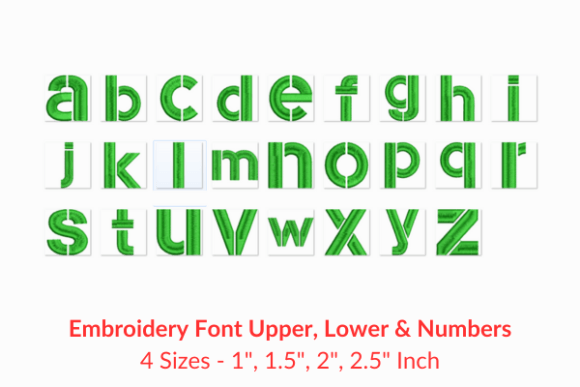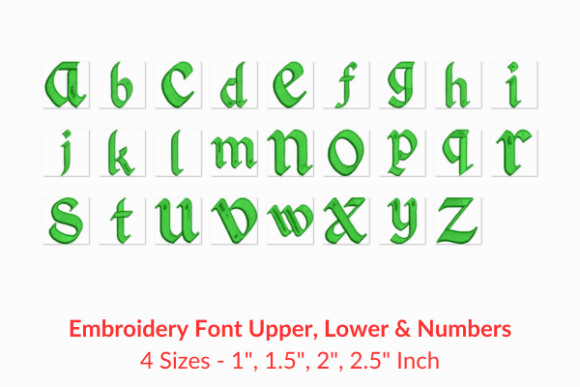
Gorgeous Fonts Embroidery Design Review
As an embroidery designer preparing for a busy weekend craft fair, my selection of digital assets is just as critical as my thread inventory. When evaluating the Gorgeous Fonts Embroidery Design for upcoming market production, I am looking for more than just aesthetic appeal; I need a workhorse font that translates beautifully from screen to fabric while maximizing profit margins on handmade products. This review breaks down how this specific machine embroidery design performs in a real-world commercial setting, focusing on sellability, production efficiency, and customer perception.
First Impressions: Elegance Meets Market Viability
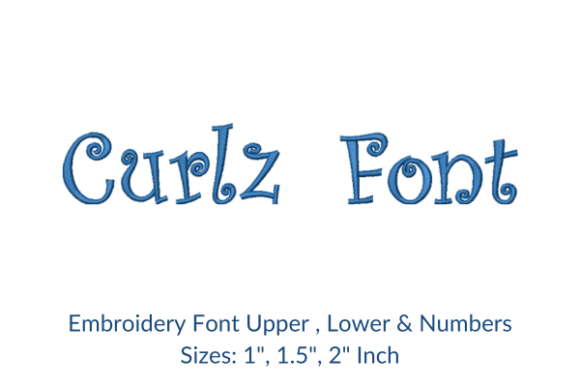
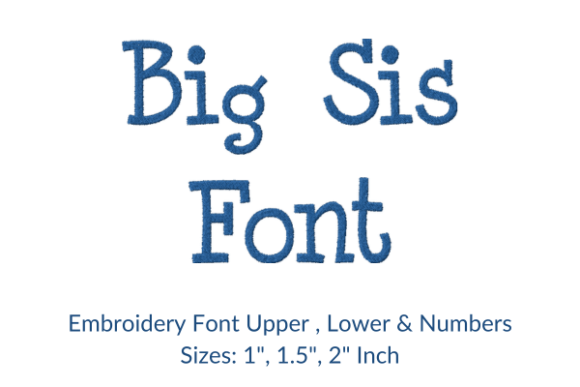
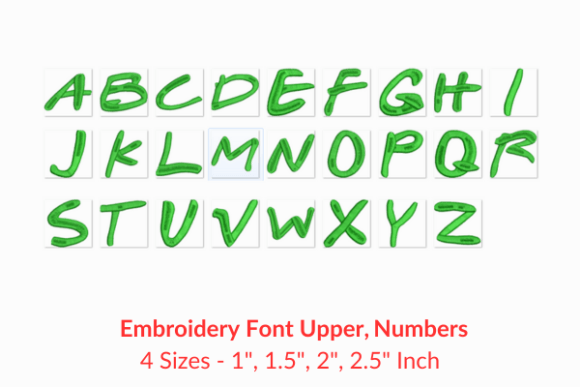
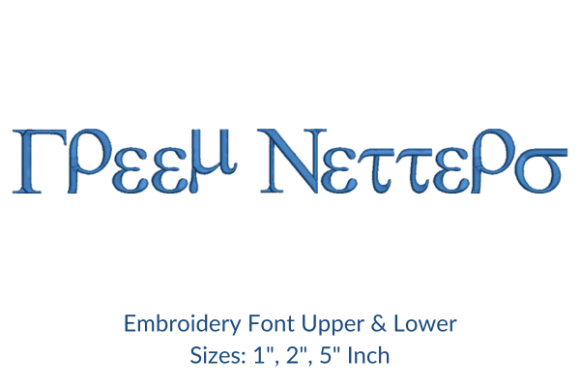
The title "Gorgeous Fonts" suggests a typeface that leans toward elegance, script, or refined serif styling rather than utilitarian block letters. Upon loading the embroidery file into my software, the immediate impression is one of premium quality suitable for boutique items. For a School category product, this implies a sophisticated take on personalization—think monogrammed backpacks or teacher appreciation gifts rather than generic varsity lettering. The visual weight appears balanced, making it versatile enough for both delicate accents and bold focal points. However, as any experienced Etsy seller knows, a font that looks gorgeous on a monitor must also stitch out cleanly on textured linen or canvas. My initial assessment confirms this design has the potential to elevate perceived value, provided we respect its technical boundaries during production.
Best-Selling Applications for Craft Fair Booths
When stocking a booth table, space is limited, and every displayed item must earn its keep. Based on the characteristics of Gorgeous Fonts Embroidery Design, here is where I see the highest return on investment for finished products:
- Tea Towel Embroidery: This is the primary candidate. The font’s likely decorative nature pairs perfectly with flour towels and waffle weave textiles. Personalized family names or wedding dates stitched in this font create an instant heirloom feel that justifies a higher price point at markets.
- Tote Bag Design: Canvas totes are craft fair staples. Using this font for short quotes or single-word affirmations (e.g., "Bloom," "Create") allows the typography to act as the main graphic. It transforms a basic utility bag into a fashionable accessory.
- Apron Embroidery: For culinary or gardening niches, this font adds a touch of feminine sophistication to functional gear. It distinguishes a handmade apron from mass-produced alternatives found in big-box stores.
- Pillow Covers and Pouches: Smaller giftable items benefit immensely from high-quality typography. A cosmetic pouch featuring a name in this font serves as an excellent impulse buy or add-on sale.
While caps are popular, I would approach them with caution unless the font includes a specific curved baseline version. Flat fonts often distort on the complex curve of a hat brim, potentially compromising the "gorgeous" aesthetic we aim for.
Production Reality: Stitch Density and Fabric Texture
A beautiful digital embroidery file can quickly become a production nightmare if it ignores physical constraints. When preparing Gorgeous Fonts Embroidery Design for batch production, stitch density is my primary concern. Elegant fonts often feature variable line widths and intricate serifs. If the density is too high, the design will pucker lightweight fabrics like quilting cotton or tea towels, regardless of stabilizer choice. Conversely, if the satin columns are too narrow, they may disappear into the nap of terry cloth or fleece.
For small shop product consistency, I recommend running test stitches on the exact fabric intended for sale. Do not rely solely on printable mockups for color and texture verification. While mockups are essential for online listings, they cannot predict how thread colors interact with fabric texture under booth lighting. If the font features extremely thin connecting lines between letters, consider adding manual tie-ins or slightly increasing column width to prevent thread breaks during high-speed commercial embroidery runs. Downtime fixing broken threads directly eats into craft fair profits.
Visual Merchandising and Customer Engagement
At a handmade market, customers make split-second decisions based on visual clarity. Gorgeous Fonts Embroidery Design needs to be legible from three feet away. Intricate scripts can sometimes blur into unreadable shapes when viewed from a distance. To counter this, use high-contrast thread colors against the base fabric. A white towel with white thread might look subtle in photos but invisible in a dimly lit hall. Navy thread on cream linen, however, pops immediately.
This font also excels at storytelling. Instead of displaying blank samples, stitch out relatable content. "Mama," "Teacher," or specific years resonate emotionally with buyers. When customers see their own identity reflected in the typography, the emotional connection drives sales faster than technical perfection alone. For Etsy sellers, photograph the finished product in natural light to capture the sheen of the rayon or polyester thread, emphasizing the dimensional quality that digital files cannot convey.
Critical Technical Notes for Safe Production
Before committing to a full production run for your next event, adhere to these professional guidelines to ensure the integrity of your brand and equipment:
- Verify Hoop Size Compatibility: Ensure the longest word you intend to stitch fits comfortably within your hoop without requiring excessive re-hooping or splitting. Check the specific dimensions included with the Gorgeous Fonts Embroidery Design download.
- Stabilizer Selection is Non-Negotiable: For woven fabrics like tea towels, use a medium-weight cutaway or high-quality tear-away depending on the stitch count. For stretchy knits on tote bags or apparel, always use cutaway stabilizer to prevent distortion over time.
- Test Small Lettering Limits: Every font has a minimum readable size. Determine the smallest cap height at which Gorgeous Fonts remains clear. Avoid pushing below this limit, as bobbin thread show-through and registration errors become inevitable.
- Check Commercial Licensing: As creative entrepreneurs, we must protect our businesses. Confirm that the license for this digital embroidery file permits the sale of finished physical products. Most designers allow this, but verifying terms prevents future legal headaches.
- Create Physical Mockups: Before listing new personalized options, stitch at least one real sample. Use this to verify spacing, kerning, and overall balance. Adjust tracking in your software if letters appear too cramped or loose on actual fabric.
Elevating Brand Value Through Typography
Incorporating Gorgeous Fonts Embroidery Design into your product lineup signals a commitment to quality. In the saturated market of handmade goods, typography is often the differentiator between "homemade" and "handcrafted." This font offers the versatility needed for diverse school-related projects, from personalized pencil cases to commemorative graduation gifts, while maintaining a cohesive brand aesthetic across your booth display.
Ultimately, the success of this machine embroidery design lies in your execution. By respecting the technical requirements of stitch density, choosing appropriate fabric pairings, and presenting the finished product with intentional merchandising, you transform a digital asset into a tangible revenue stream. Whether you are stocking an Etsy shop or setting up a weekend vendor table, let the elegance of this font drive customer engagement and reinforce the premium nature of your handmade business. Always remember to check the specific file details provided by the designer regarding formats and sizing to ensure seamless integration into your unique production workflow.