Pocahontas Fonts Embroidery Design Review
As a professional embroidery designer specializing in commercial branding and small business merchandise, I approach every new machine embroidery design with a critical eye. When evaluating the Pocahontas Fonts Embroidery Design for potential use in branded apparel and patches, my primary focus is not just aesthetic appeal, but technical viability and brand alignment. This review assesses how this specific typography performs when translated from a digital screen to a tangible finished product for businesses ranging from local cafés to boutique retail shops.
Visual Personality and Brand Identity Alignment
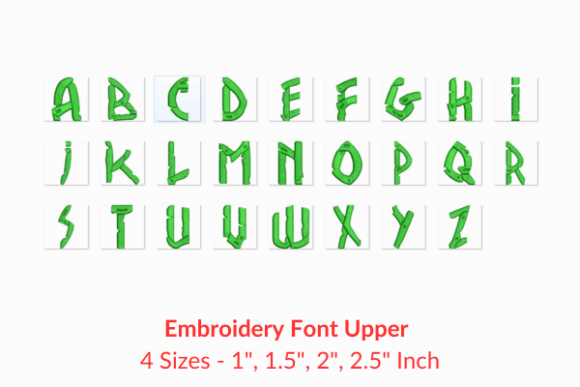
The first impression of the Pocahontas Fonts Embroidery Design suggests a distinct blend of organic elegance and rustic charm. Unlike rigid block letters often used in corporate uniforms, this font carries a handcrafted, slightly whimsical quality that feels inherently human. For small business owners, this visual personality is a strategic asset. It communicates warmth, creativity, and approachability, making it an excellent candidate for businesses where personal connection drives sales.
I see this typeface working exceptionally well for florists, bakeries, pet brands, and artisanal craft studios. It supports a brand identity that values tradition and handmade quality over industrial uniformity. However, for highly technical industries or luxury minimalist brands, the decorative nature of this font might conflict with a need for stark modernism. As a designer, I advise clients to match the font’s inherent "voice" with their target demographic. If your goal is to evoke nostalgia, nature, or artistic flair, this embroidery file is a strong contender.
Performance in Commercial Merchandise Applications
In real-world testing scenarios, the versatility of the Pocahontas Fonts Embroidery Design becomes apparent. Its structure allows for effective personalization across various small business merch categories. Here is how it performs in specific applications:
- Apron Embroidery: This is perhaps the strongest use case. The font’s character adds a premium, bespoke feel to staff aprons in coffee shops and bistros. It elevates a standard uniform into a piece of custom apparel that reinforces the establishment's atmosphere.
- Tote Bag Design: Canvas tote bags are staples for Etsy sellers and market vendors. This font stitches out beautifully on natural fibers, providing high contrast and readability while maintaining a soft, non-industrial look that appeals to eco-conscious buyers.
- Embroidered Patches: When creating patches for hats or jackets, the letterforms hold their shape well at medium sizes. The style lends itself to vintage-inspired badges or camp-style logos, adding perceived value to the merchandise.
- Product Packaging Accents: For handmade product lines, embroidering a thank-you message or brand tag using this font enhances the unboxing experience, signaling attention to detail and boosting customer trust.
Technical Considerations and Usage Limitations
While aesthetically pleasing, decorative fonts require careful handling in commercial embroidery. Based on the characteristics typical of this style, there are specific environments where the Pocahontas Fonts Embroidery Design should be used with caution.
Size and Legibility Constraints
Decorative serifs and flourishes can become problematic at very small scales. If you intend to use this for tiny collar tags or sleeve cuff details, you must verify the minimum height recommendations within the digital embroidery file. Reducing the size too aggressively can cause thread breaks or illegible text due to excessive stitch density. Always test the lower size limits before committing to a bulk order.
Fabric Texture and Stabilizer Selection
The intricate details of this font demand a stable foundation. On textured fabrics like terry cloth or heavy canvas, the delicate elements may get lost or sink into the weave. Proper stabilizer choice is non-negotiable here. For caps, ensure the design has been digitized specifically for curved surfaces; flat fonts often distort on cap embroidery hoops unless compensated for the curve. Similarly, on stretchy knits, inadequate stabilization will result in puckering that ruins the professional finish.
Washability and Durability
For items requiring frequent laundering, such as chef coats or salon smocks, inspect the anchor points of the lettering. Decorative fonts sometimes have thinner connecting strokes that may fray over time compared to bold sans-serifs. If durability is paramount, consider using this font for accent text rather than primary identification, or reinforce it with a backing stitch during the digitizing verification process.
Strategic Value for Small Business Growth
Investing in high-quality typography like the Pocahontas Fonts Embroidery Design is an investment in perceived value. In the competitive landscape of handmade goods and local services, visual consistency builds recognition. When customers see cohesive branding across your signage, packaging, and staff attire, it establishes professionalism.
This font specifically aids in differentiating handmade product lines from mass-produced alternatives. It signals to the buyer that the item was curated with intention. For Etsy sellers and creative studios, this emotional resonance translates directly to buyer engagement and loyalty. Furthermore, having a versatile font library allows for rapid customization—adding names to gifts or dates to event merch—without needing to commission custom digitizing for every single variation.
Professional Designer Notes for Production Success
Before running production units with the Pocahontas Fonts Embroidery Design, follow these practical steps to ensure commercial-grade results:
- Verify Licensing: Confirm that your purchase includes commercial usage rights. Using a personal-use-only embroidery file for business merchandise can lead to legal issues.
- Create Printable Mockups: Before stitching, generate a printable mockup to visualize spacing and placement. Compare it beside other design assets to ensure visual harmony.
- Test in Black and White: Run a sample in high-contrast black thread on white fabric first. This reveals any registration issues or density problems that colored threads might hide.
- Check Thread Color Contrast: Decorative fonts rely on clear outlines. Ensure your chosen thread colors provide sufficient contrast against the garment color, especially on dark uniforms where detail can vanish.
- Confirm Hoop Size Compatibility: Measure your longest intended word or phrase. Ensure it fits comfortably within your machine’s hoop size with adequate margin for hooping tension.
- Inspect Spacing and Kerning: Automated font software sometimes creates uneven gaps. Manually adjust kerning if necessary to prevent awkward spacing between specific letter pairs.
- Test on Real Fabric: Never assume a test on felt will translate to linen or denim. Always validate the design on the exact material intended for the final run.
The Pocahontas Fonts Embroidery Design offers a unique opportunity to infuse warmth and character into branded merchandise. By respecting its technical requirements and aligning its aesthetic with your specific business niche, you can transform simple textiles into powerful brand ambassadors. Whether you are marking aprons for a new bakery or creating signature patches for a craft studio, this font serves as a reliable tool for expressing a distinct, handcrafted identity in a commercial setting.